
The modern fire prevention code of ancient villages in Wuyuan
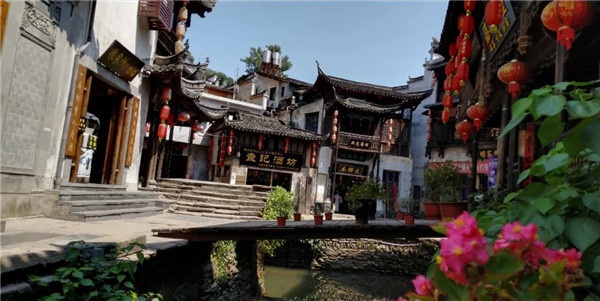
Li Hang Village, located in the town of "Hometown Wuyuan · Ink-Wash Autumn Mouth", has a history of over a thousand years since its establishment during the Dazhong period of the Northern Song Dynasty. Li Keng Village, known for its "small Bridges, flowing water and houses", is an ancient village dominated by the Li surname. Surrounded by mountains, the village is dotted with ancient buildings from the Ming and Qing Dynasties. The residences and courtyards stand along the streams and against the mountains, presenting a beautiful and charming landscape. The white walls and black tiles of the Huizhou-style ancient buildings are arranged in an orderly manner. The village's streets and alleys are crisscrossed by streams, winding and twisting. The ancient and smooth bluestone-paved alleys crisscross, and dozens of stone, wood and brick streams and Bridges connect the two banks, forming a beautiful rural picture of small Bridges, flowing water and houses.
On the early morning of September 12th, every day in Li Keng Village gradually awoke in the faint light of dawn. Roosters crowed and birds sang, and fish swam leisurely in the clear stream. Suddenly, a fire broke out at a biomass pellet processing factory beside the village. After receiving the alarm from the residents, the 119 dispatch and command center of Wuyuan County simultaneously sent fire alarm information to the county fire rescue team, the town's professional fire brigade, and the town's leading officials. Instruct to go for rescue immediately.

At 6:27, upon receiving the fire alarm, the town's professional fire brigade immediately organized its core forces to rush to the incident site for rapid rescue.
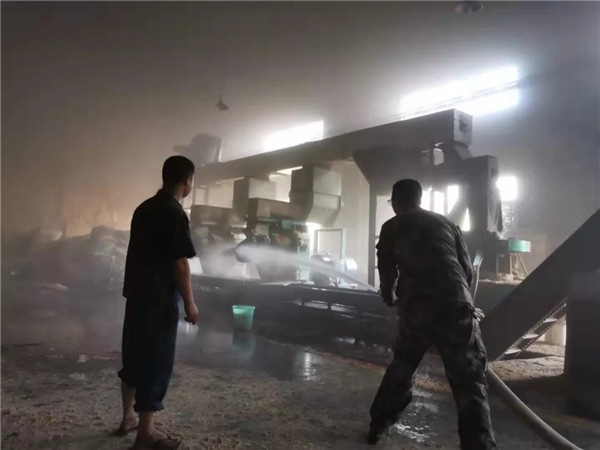
The town's dedicated team is in control of the fire
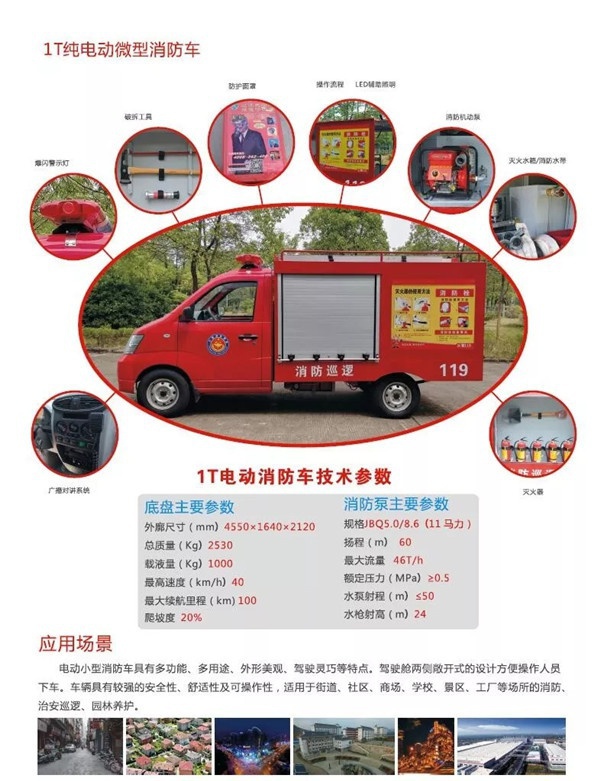
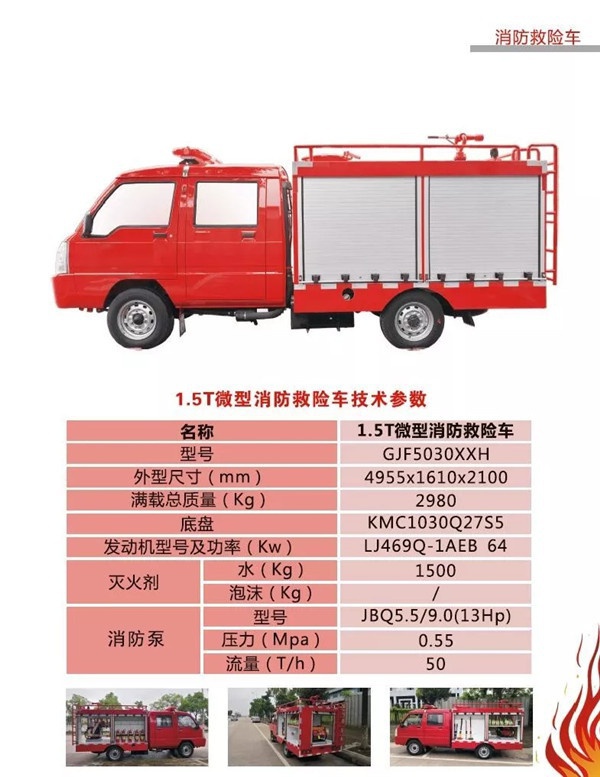
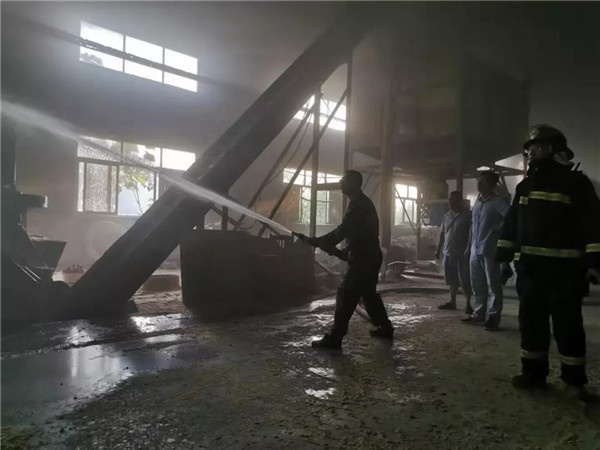
At 6:30, Secretary Li of Li Keng Village Committee led the village committee director, another full-time fire brigade member and the fire rescue vehicle to the fire scene immediately. After a quick inspection of the fire situation, they immediately cut off the power, threw out the water hose, connected the fire hose, used the mobile pump to increase the pressure, opened the sluice to release water and sprayed it at high speed towards the fire point. The three of them worked in perfect harmony and the fire was brought under control in just over ten minutes.
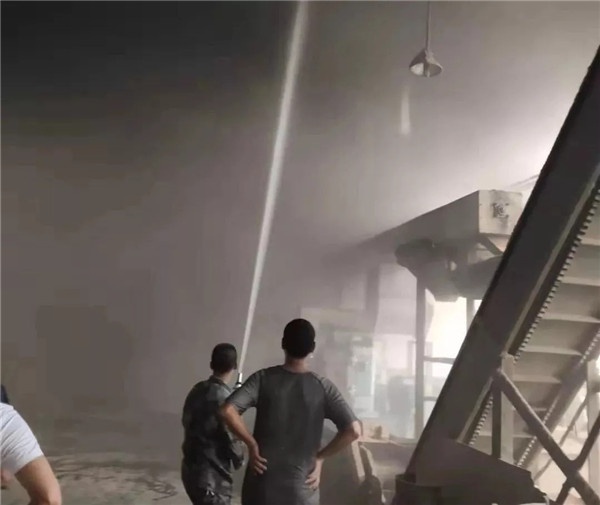
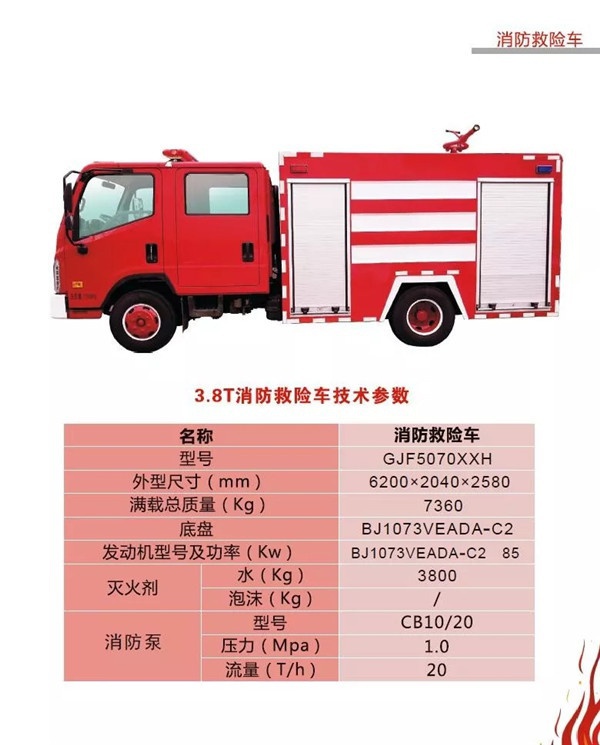
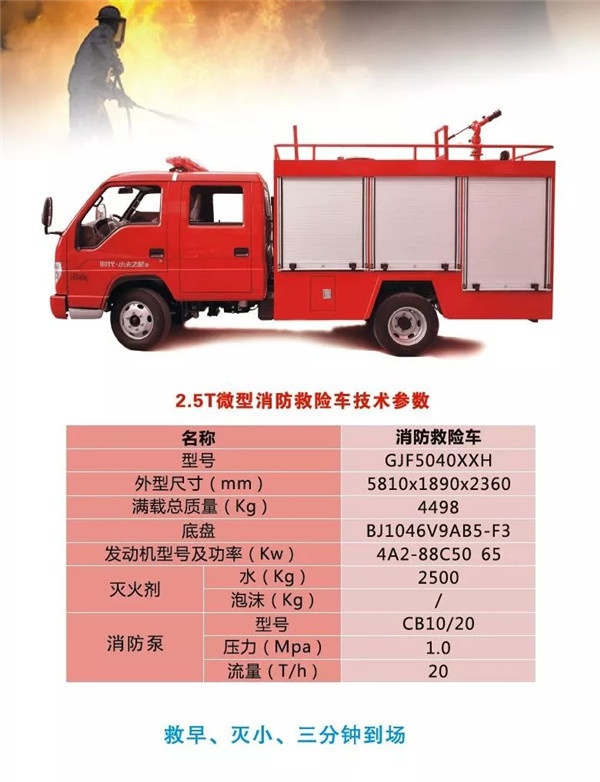
At around 6:45, two large fire engines from the county's fire rescue brigade traveled 13.7 kilometers to reach the incident site. By then, the fire had been successfully extinguished by a micro fire rescue vehicle equipped by the town's professional fire brigade, but the 2.5 tons of water in the water tank was almost gone. After inquiring about the fire situation, Wang Dongdong, the captain of the county fire and rescue brigade, gave a thumbs-up to the full-time rescue team members while instructing them to fill the small fire engine, which was the main force in this firefighting operation, with water using their own large fire engine. Subsequently, Captain Wang organized the technical team members to inspect the scene, identify potential hazards and successfully handle them.
After the successful rescue operation in this actual combat, a fire mobile pump was purchased from a fire rescue vehicle manufacturer located in Jiangxi Province. The fire-fighting equipment has achieved one backup and one use, ensuring that emergencies can be dealt with decisively.
The fire safety of ancient villages requires the entire population to enhance their awareness of fire prevention. The current secret to fire prevention is to establish a professional fire brigade, utilize modern technology, and be equipped with corresponding fire-fighting equipment.
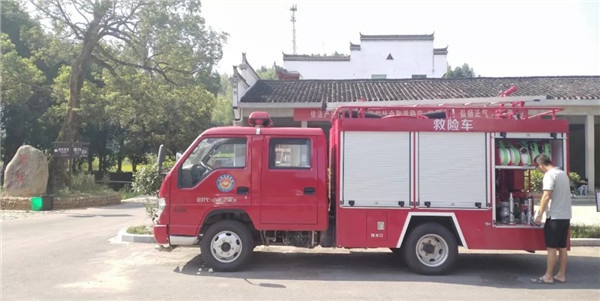
Village Committee Secretary Li is inspecting the equipment of the fire rescue vehicle. He always keeps the water tank in the vehicle fully loaded to maintain a combat-ready state
The fire prevention code of the secretary of Li Keng Village, a thousand-year-old ancient village